Meet the Climate + MPAs Microgrant Awardees
The MPA Collaborative Network (MPACN) is excited to announce the Climate + MPAs Awardees!
The MPACN located additional funds to support a total of 3 proposals. The awardees will conduct Climate + MPAs projects from September 2024–October 2025. Each recipient will conduct projects that specifically address needs identified through our Climate + MPAs survey and 14 Climate Forums, totaling over 650+ perspectives. The projects will also address priorities identified by key management partners including the California Department of Fish and Wildlife and the California Ocean Protection Council.
Collectively, we believe that these 3 projects will create significant forward movement on the intersections of Climate and MPAs in California.
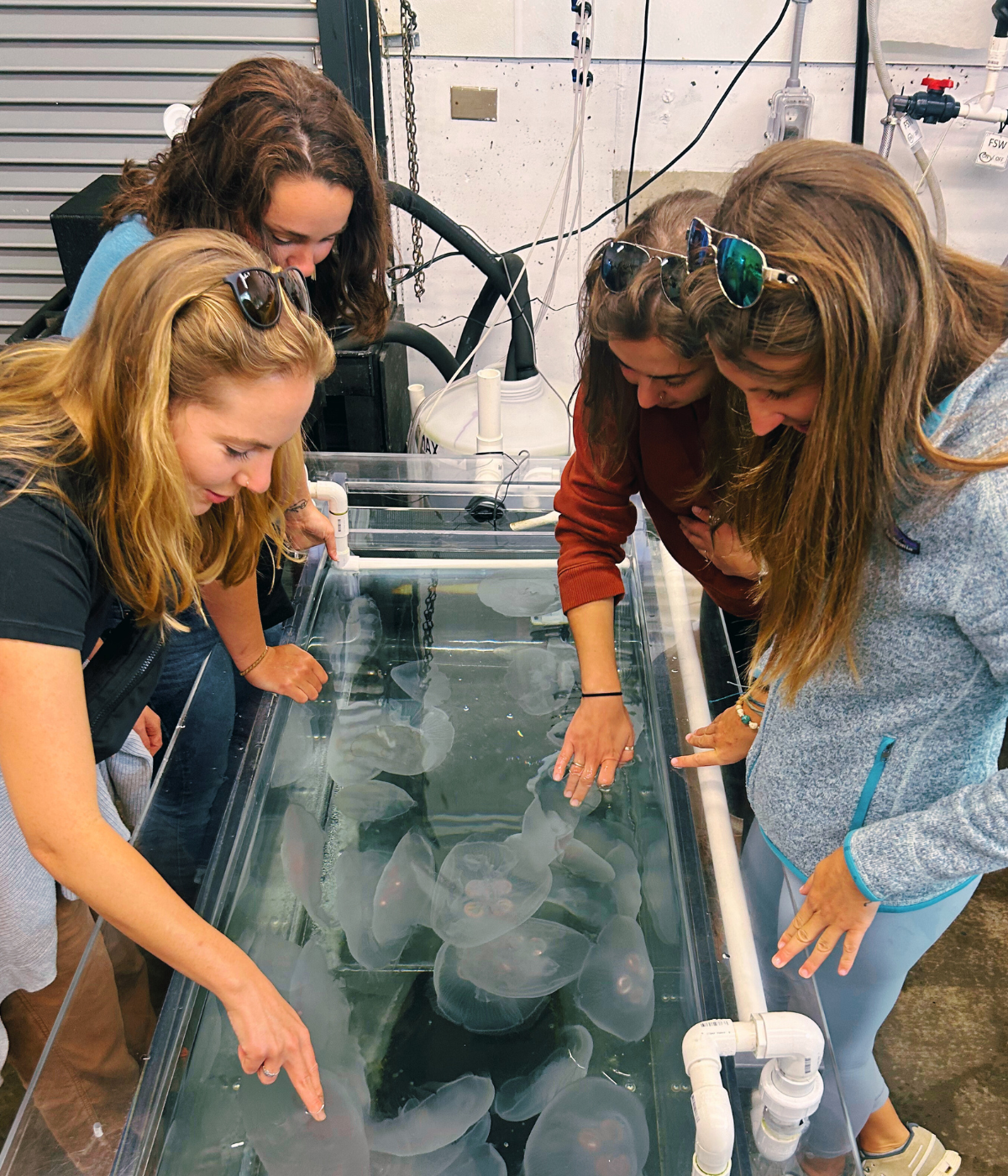
Project: Rapid Vulnerability Assessments (RVA) in San Mateo County
MPAs: Pillar Point SMCA & Montara SMR
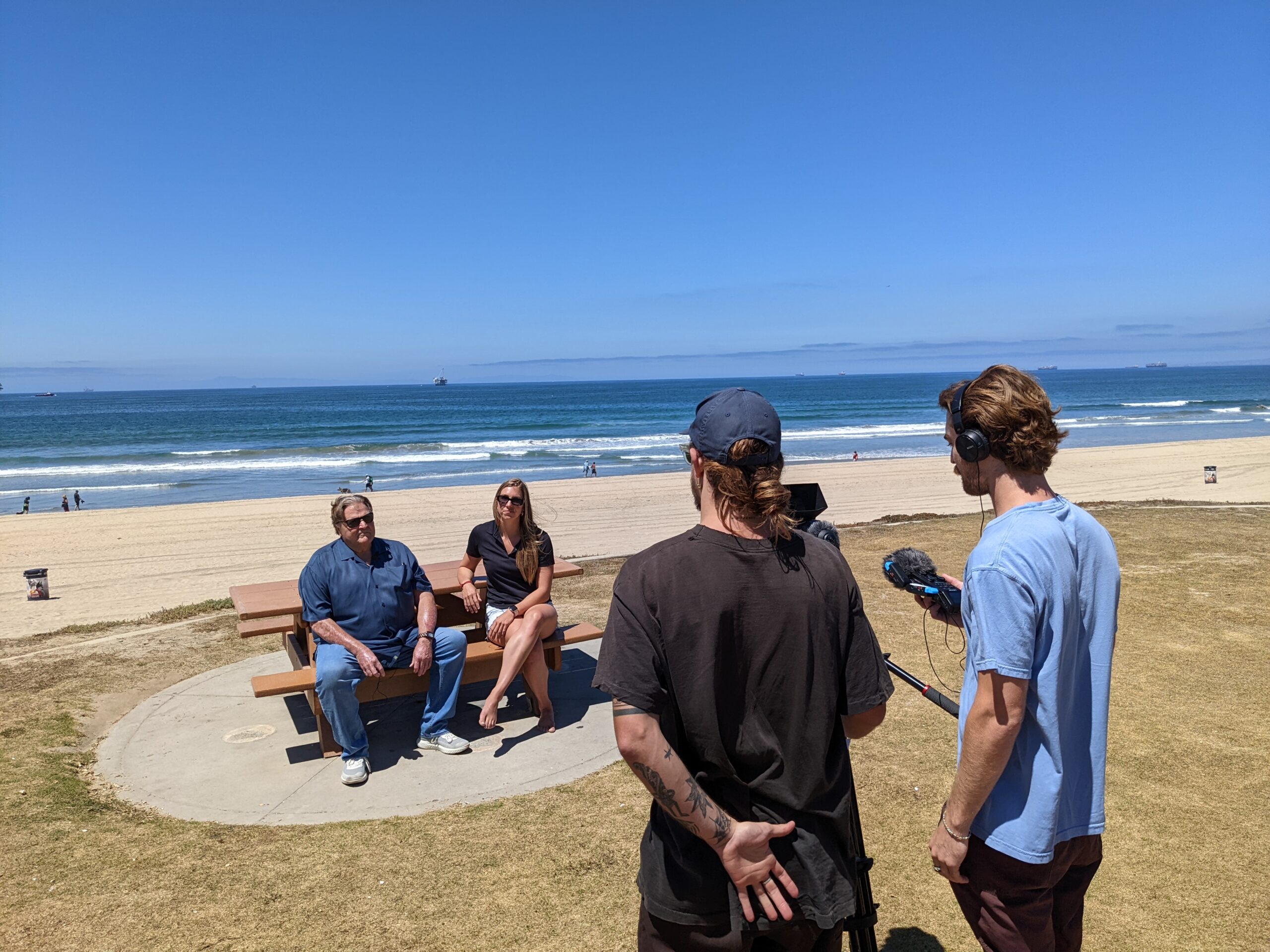
Project: Educational Video about MPAs and Climate Change
MPAs: Orange County MPAs

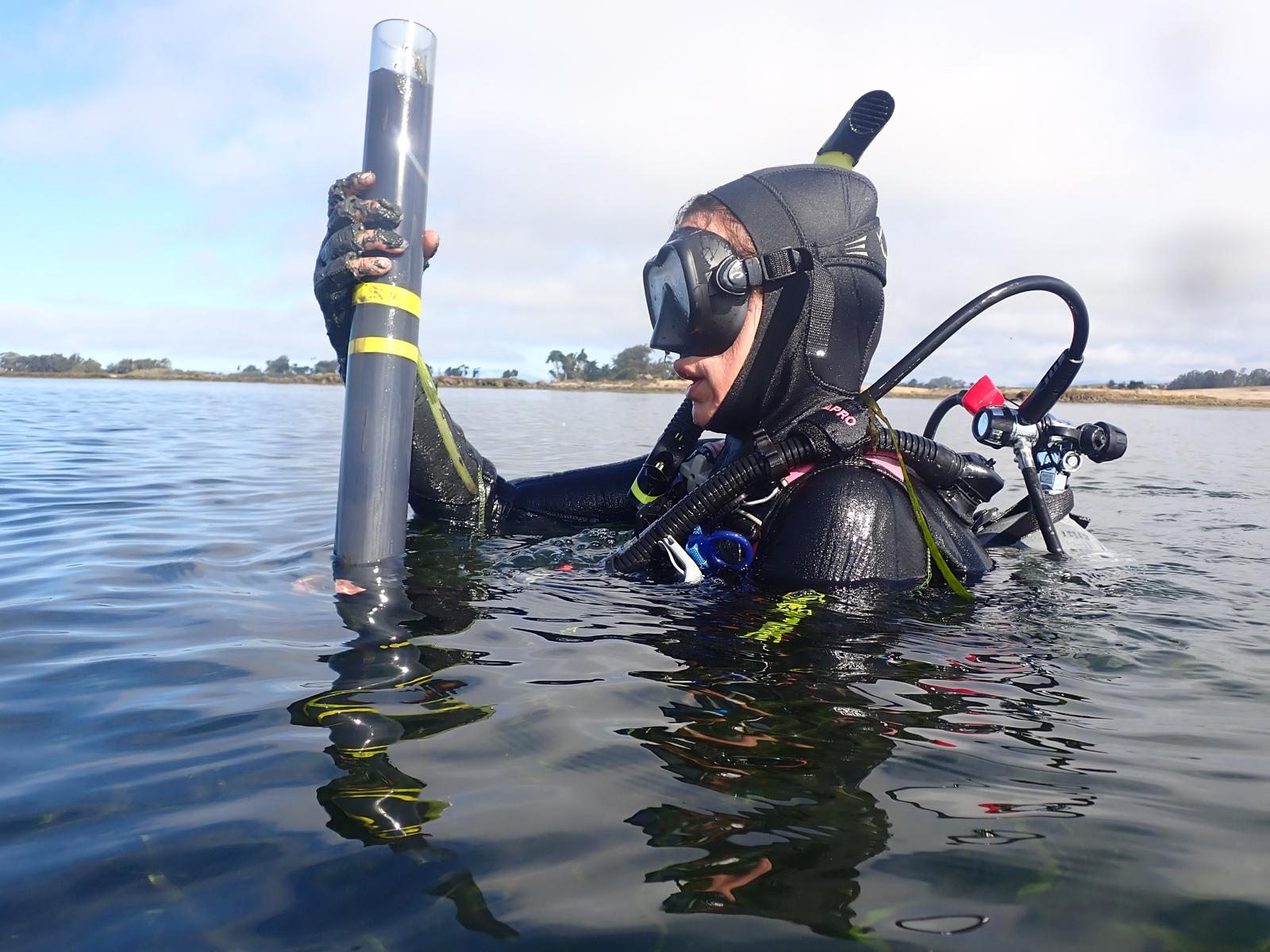
Project: Quantifying How Quickly Seagrass Sequesters Carbon
MPAs: Elkhorn Slough SMCA
About Climate + MPAs Microgrants
The Climate + MPAs Microgrant is closed and we are no longer accepting applications. Thank you for your interest.
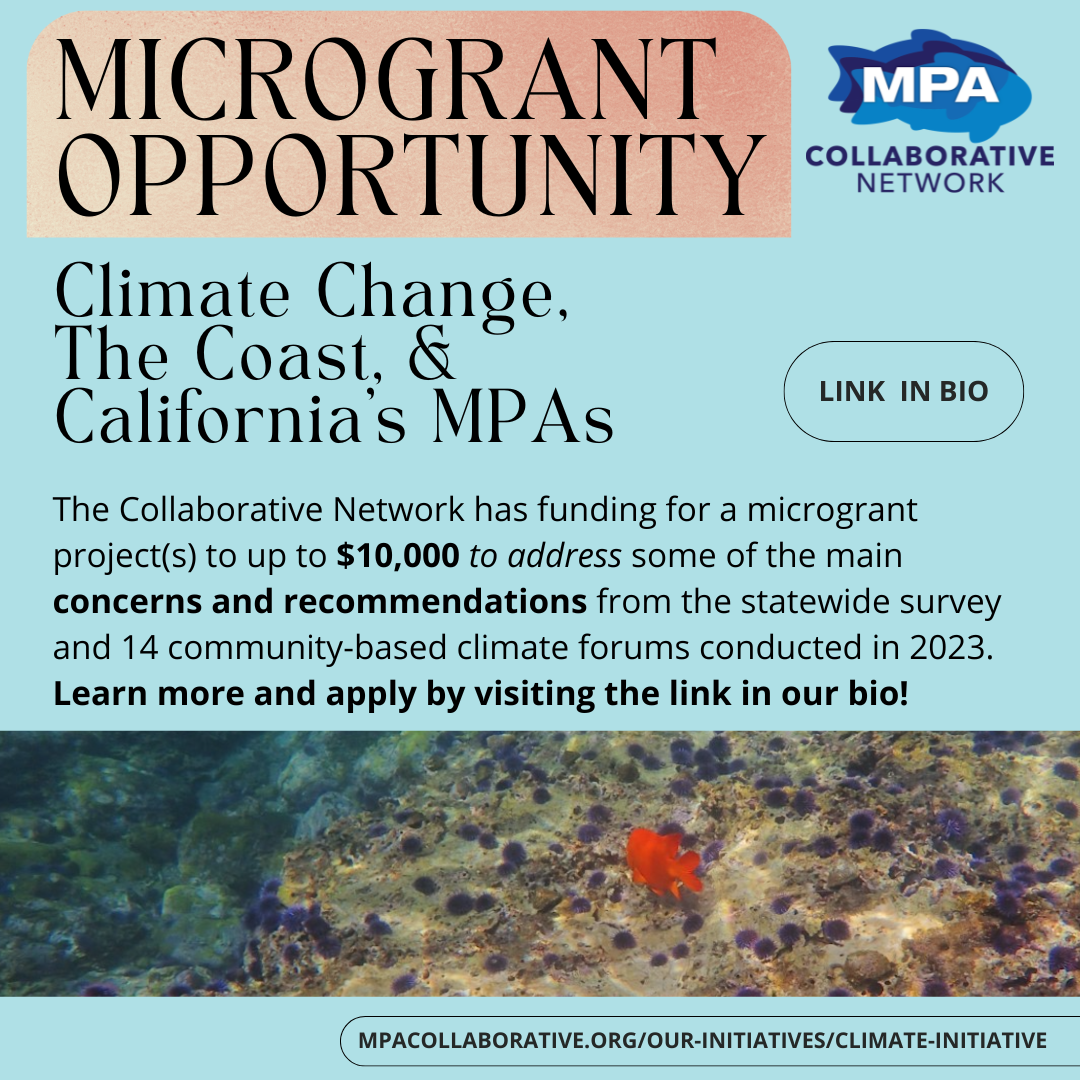
Climate + MPAs Microgrants Application Overview
The MPA Collaborative Network is pleased to announce the “Climate + MPAs Microgrant” opportunity!
Application: Please fill out this Google Form application if you would like to pitch an idea! In acknowledgement that the funding is small, and to honor your time and resources, the Google Form application is very simple and should not take more than 1 hour.
About: The MPACN has funding for Microgrant project(s) to up to $10,000 to address some of the main concerns and recommendations from the MPACN statewide survey and 14 county-based climate forums conducted in 2023.
Priority areas for funding:
- Develop education and outreach materials (messaging) that clearly and succinctly communicates intersections of climate change and MPAs.
- Conduct a blue carbon inventory for one or a few of California’s MPAs that can serve as a case study. Ideally this would include estimates of both how much blue carbon the MPA sequesters as well as how much greenhouse gases are created through associated management and research programs.
- Conduct an inventory of blue carbon storage potential for an area along California’s coast that could benefit from ecosystem protection and can serve as a case study. For example, the blue carbon storage potential of protecting eelgrass beds that currently are unprotected.
- Create a prioritized list of locations along the California Coast that could provide blue carbon benefits if protected, including blue carbon potentials, management strategies, and recommended protections.
- Develop a climate change vulnerability assessment for one or a few of California’s MPAs that can serve as a case study.
Due: July 31, 2024
Contact: Reach out to jamie(at)mpacollaborative.org with any questions!
FAQs
- Where can I access the climate reports?
Please visit our Climate Initiative landing page for the statewide and the 14 collaborative reports. mpacollaborative.org/our-initiatives/climate-initiative/ - Where is the microgrant application? And when is the application due?
You can access the application here, which is a Google Form. Proposals are due by midnight July 31, 2024. - Will there be more funding opportunities to continue this work in the future?
Hopefully! As of now we only have $10,000 available, but we will continue to seek funding sources to support this work into the future. The chosen priorities for the microgrant have been identified as important areas to advance the field of climate change and MPAs, and to ensure that the completed project(s) are effective in the advancement of the field. - How many projects do you expect to be funding?
We have $10,000 in total to allocate. We expect this will fund one, or up to two project proposals. - What criteria are you using to select the microgrant recipient?
Priority selection will be given to applications that:
• Address the listed priority areas, recommendations, or take-aways from the statewide summary report or local reports.
• Are submitted by a collaborative or collaborative members AND address the priority areas, recommendations, or take-aways listed in at least one of the reports.*
• Please note that any proposals that do not address the listed priority areas, recommendations or takeaways from a climate report will not be considered. The microgrant opportunity is open to everyone. - Will the MPA Collaborative Network be able to act as the fiscal sponsor for the microgrant?
At this time, no, since the MPA Collaborative Network is acting as the “grantor” with this funding. - How has the MPA Collaborative Network advertised this microgrant opportunity?
We are sharing far and wide! We have shared through our statewide newsletter, collaborative mailing lists, our website, and on social media. - Can the project build upon existing data or must it create new data?
Either! The purpose of this microgrant is to advance the field of climate change and California’s MPAs. It is appropriate to propose a project that would build upon existing work or turn said work into a format that is more useful, so long as the proposal also meets the requirement to address priority areas, recommendations, or takeaways. In general, due to the small size of this grant, we do not expect recipients to be conducting brand new studies/sampling. Rather, we encourage recipients to use existing datasets when possible. - Who can I contact for additional information or questions?
For additional questions or clarification, please reach out to jamie@mpacollaborative.org.
Sincere gratitude to Builder’s Initiative for their support of this work and vision.

Climate + MPAs Microgrant Summary:
Sea & Shore Solutions is excited to embark on a new project with the MPA Collaborative Network to assess vulnerability of two Marine Protected Areas (MPAs) in the Bay Area to climate change impacts. Using a Rapid Vulnerability Assessment framework, we will engage local stakeholders, including MPA managers, community leaders, and Tribal representatives, through a series of virtual workshops. This collaborative approach will identify key assets, climate stressors, and adaptive capacities within these vital marine ecosystems.
The project’s outcomes will be presented through an interactive online StoryMap, providing an engaging platform for public education and outreach. By combining scientific research with community knowledge, we’re not just assessing vulnerability – we’re building resilience and fostering a deeper understanding of how climate change affects our precious marine resources.
Marine Protected Areas:
Climate + MPAs Microgrant Summary:
With support from the MPA Collaborative Network, Orange County Coastkeeper will produce an engaging and informative video on the intersection of climate change and California’s Marine Protected Areas (MPAs), highlighting Orange County MPAs as case studies. The video will educate viewers on the causes of climate change and its impact on marine ecosystems, such as increased sea surface temperatures, ocean acidification, and increased storm frequency and intensity. At the same time, it will maintain a solutions-based framework by highlighting how marine ecosystems, such as coastal wetlands, offer nature-based solutions for climate resiliency. Coastkeeper will include perspectives and data from Indigenous community members, public agencies, advocates, scientists, educators, and more. The video will be publicly available and widely shared throughout statewide partners.
Marine Protected Areas:
Bolsa Bay State Marine Conservation Area
Bolsa Chica Basin State Marine Conservation Area (No-Take)
Upper Newport Bay State Marine Conservation Area
Crystal Cove State Marine Conservation Area
Laguna Beach State Marine Reserve
Laguna Beach State Marine Conservation Area (No-Take)
Dana Point State Marine Conservation Area
Climate + MPAs Microgrant Summary:
This project will estimate the carbon and climate change mitigation benefits associated with seagrass restoration in Elkhorn Slough. The Slough has undergone large-scale restoration of salt marsh and seagrass meadows over the past decade. While there has been significant resources invested into quantifying the blue carbon benefits from the salt marsh restoration, no work was originally planned to evaluate these benefits from the planned seagrass restoration. Moreover, despite the fact that seagrass meadows are known to sequester high amounts of organic carbon, very few studies globally show how quickly this service may return following restoration. This gap is actively hampering our ability to include seagrass meadows into State climate action planning, and more broadly, into global voluntary carbon market opportunities.
Relatedly, because the salt marsh neighboring these seagrass meadows experience erosion and bank collapse, it is possible that the presence and restoration of seagrass can enable trapping and retention of these carbon rich sediments. Given Elkhorn Slough’s history and planned seagrass restoration, it acts as an ideal study system to collect an inventory of carbon stored in sediment, quantify how sedimentary carbon storage may change upon with restoration, and if carbon from neighboring salt marshes is ultimately sequestered in seagrass sediments.
This project is being conducted in collaboration with Dr. Tessa Hill and Elisabeth Sellinger at UC Davis and Dr. Kathryn Beheshti at UC Santa Barbara, along with support from many partners managing and working in the Slough.