
MPACN Pathways | Stories
Celebrating Asian American Pacific Islander (AAPI) Heritage Month
A Conversation with George Matsumoto
by Michelle Chuang | Pathways Coordinator, Asian American Pacific Islander Community Group
May 07, 2024
As we celebrate Asian American and Pacific Islander (AAPI) Heritage Month, I’m honored to spotlight Dr. George Matsumoto, the Senior Education and Research Specialist at the Monterey Bay Aquarium Research Institute (MBARI) and a distinguished member of the MPA Collaborative Network AAPI Affinity Group. Renowned for his deep expertise and unwavering devotion to marine science, George exemplifies the spirit of dedication and passion in his field. His role in the AAPI Affinity Group has been crucial, driving the strategy of the initiative and providing insights that shape impactful programs and campaigns aimed at ocean conservation. Aside from Dr. Matsumoto’s accomplishments in his career, he is also one of the humblest scholars I’ve interviewed.
His journey from academia to influencing ocean conservation on a global scale is inspiring and a beacon for future generations looking to make a difference.
Please enjoy this special interview with Dr. George Matsumoto:
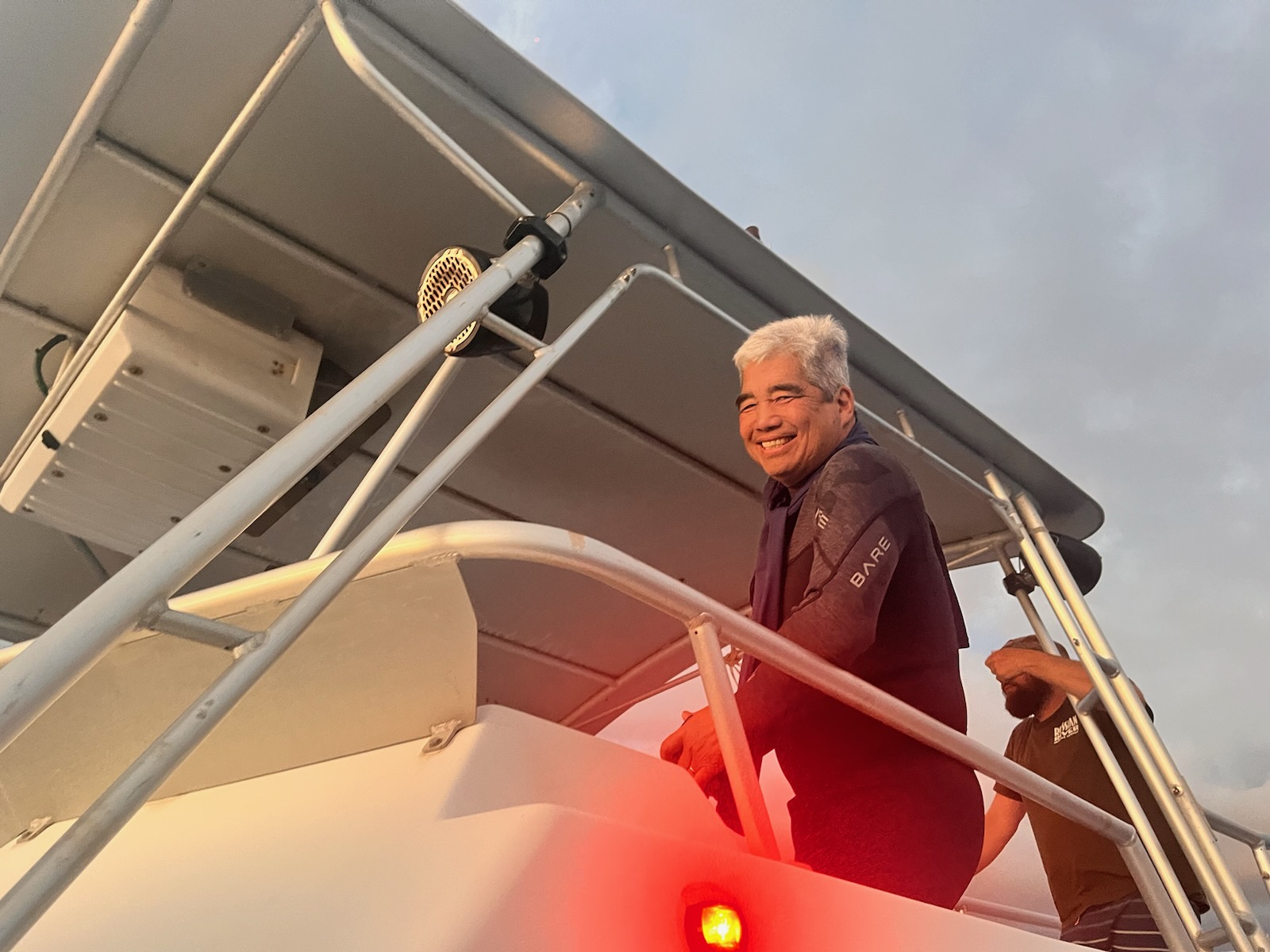
My passion for the ocean started in sixth grade when I first snorkeled and saw the mysterious world beneath the surface. And that just really excited me, the fact that there was this whole unknown world that I could explore and learn more about.
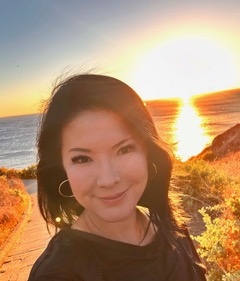
Michelle Chuang: Welcome, Dr. Matsumoto! Could you start by telling us a bit about the Monterey Bay Aquarium Research Institute (MBARI) and your journey to where you are today?
 Dr. George Matsumoto: Absolutely, Michelle. MBARI, focuses on the path of ocean and ecosystem research. We’re unique in that we bring scientists and engineers together to tackle questions that might be considered too risky or long-term for other organizations. My journey started during the last three years of my Ph.D. at UCLA, when I was brought along by Dr. William Hamner to help start this incredible research institution. After my Ph.D., I worked in various capacities, including a post-doctoral role at Stanford’s Hopkins Marine Station, and even helped train aquarium staff in cutting-edge research diving techniques. Eventually, I returned to MBARI to fill a joint education and research role.
MC: It sounds like you’ve devoted your life to marine biology and ocean conservation. What inspired you to follow this path?
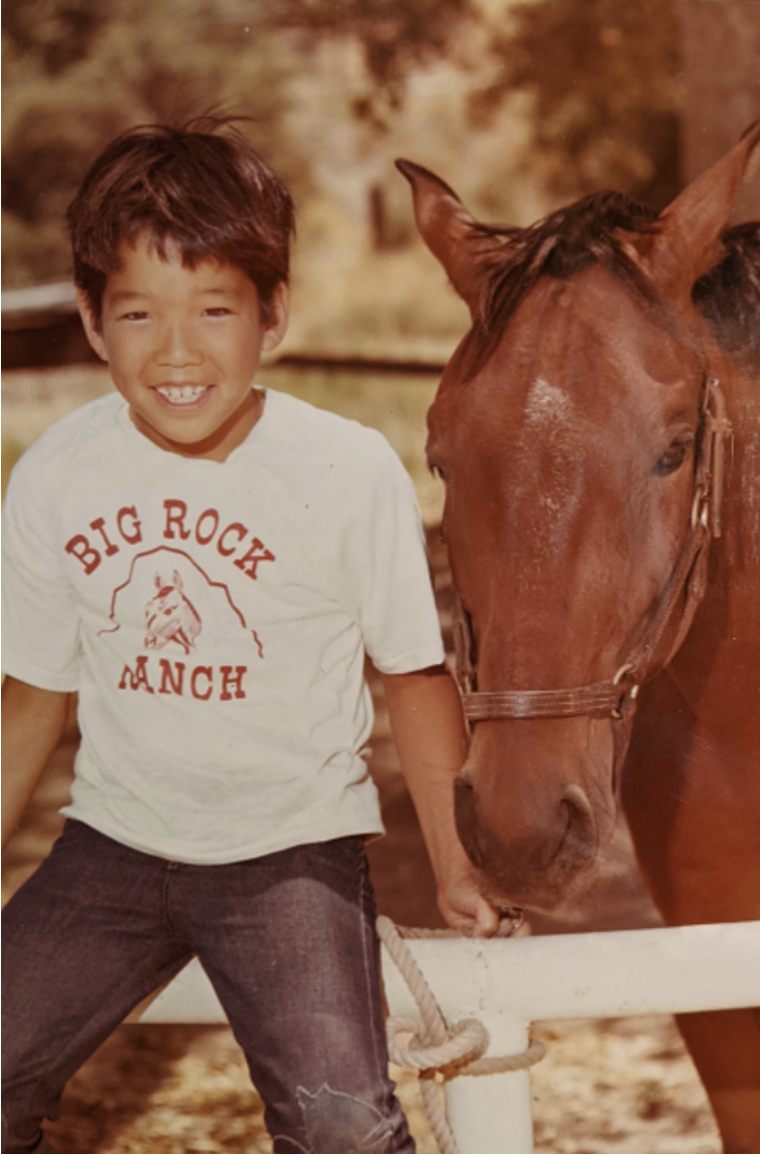
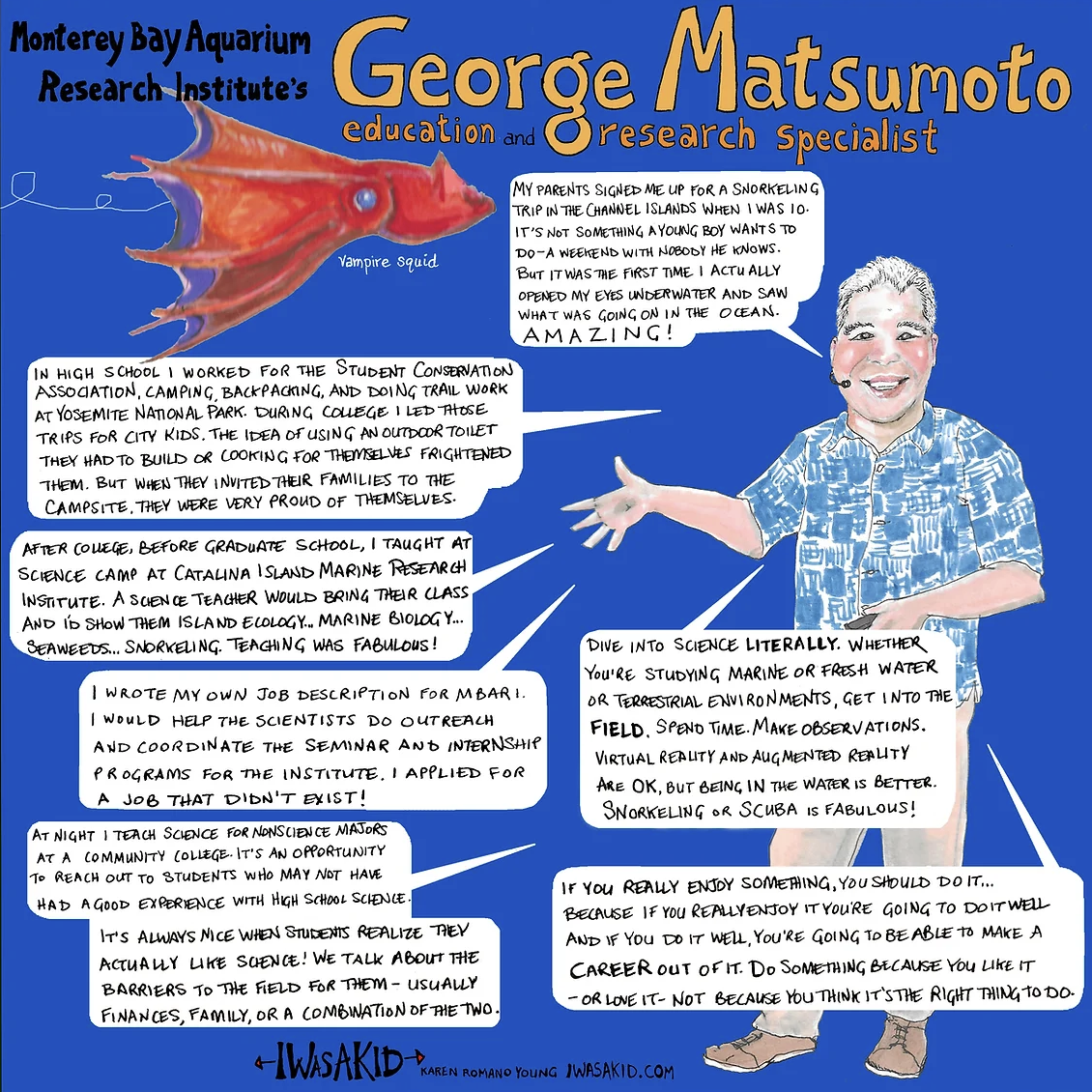
GM: I’ve always been drawn to the outdoors, and part of that was my parents who encouraged us to take part in outdoor recreation activities, and those included working with, for instance, the city park system down in Southern California, where I grew up. Thanks to my parents’ encouragement to engage with nature. My passion for the ocean started in sixth grade when I first snorkeled and saw the mysterious world beneath the surface. And that just really excited me, the fact that there was this whole unknown world that I could explore and learn more about. So, my love for the outdoors continued all through college, where I worked in national parks during my undergraduate time because it’s hard to spend time in the ocean when you’re a college student. This fascination (of the ocean) only grew over time, leading me to a career where I could explore and protect these aquatic environments. It became clear to me that the ocean was where I really felt at home.
MC: How has your cultural background influenced your career in ocean conservation?
GM: First of all, my family’s support was crucial. Both of my parents were college grads, and they saw the importance of a good college education. This, combined with the more affordable college costs at the time during my studies, allowed me to pursue my passions without the immense financial pressures many students face today. In other words, back then, you could go to college and get a part-time job, and you could use that money to pay tuition, compared to now students have to take out loans. Overall, the support (from my family) was key, especially in a field like ocean conservation, which isn’t known for high salaries.
MC: Can you think of any project or initiative in your career that you’re particularly proud of?
GM: I think there are two projects that I’ve done at MBARI that I’m very pleased with. One is the internship program that MBARI runs which is open to students and educators. It is a 10-week paid internship program that runs every summer. We’ve offered the program for almost 30 years and that’s been an extremely successful program. Mostly because the program is focused on the student, not on MBARI as an institution. In other words, we’re not trying to turn the students into scientists or people who are going into a STEM field; we’re trying to benefit the interns so that they can make the best possible choice about their future. To me, that is something that is very hard to find in the real world: a program that will pay you to explore and find out what it is you want to do or do not want to do. The other program is a program that I’ve been running now for the past 15 years, and it’s focused on educators, and it’s trying to provide educators with the tools and the resources they need to better work on data in the classrooms. (www.mbari.org/earth)
That’s been a very rewarding program because, again, it’s a program where I could compensate teachers for their expertise in their time, which all too often does not happen.
MC: What advice would you give to students or aspiring scientists interested in marine biology or ocean conservation?
GM: First, the answer depends on “what you want to do when you grow up,” so to speak. If you’re happy working for some organization and sort of doing what they’re asking you to do, you’re happy because it keeps you outside and in the field. You don’t need a master’s degree or a PhD; a bachelor’s degree is probably fine. I think you do need a bachelor’s degree though. Associate degrees or just a high school degree can be very difficult because you are competing with others who do have a bachelor’s degree or, in some cases, even a master’s and Ph.D.
However, I think the difference for me when I think about what I work on and how I view it is that to me, work has never really been work. I don’t view it as work. I view it as doing something I love, and the fact that I get paid for it is a bonus, and I think students need to understand that.
Additionally, I recommend aspiring students start networking early. Attend events and meetings, in person or virtually, to learn who’s doing what and where. Don’t just focus locally—national or even global opportunities can provide broader perspectives and experiences. And remember, this field is more about passion than income. If you love what you do, it won’t feel like work.
MC: Looking forward, what are your hopes for the future of marine biology and ocean conservation?
GM: I hope we see more people than ever before who are interested in the ocean and engaged in conservation efforts. Sustainable practices, reducing pollution, and addressing climate impacts are critical. Everyone can contribute, whether by participating in local clean-ups or reducing their carbon footprint. My dream is for future generations to inherit a healthier ocean than we have today.
MC: Any final thoughts or advice for our viewers?
GM: Take every learning opportunity that comes your way. Whether it’s a course on programming, poetry, or even jam-making, each experience enriches you and can lead to unexpected paths. Stay curious and open to new experiences—they shape not just your career but your life. 𓆝
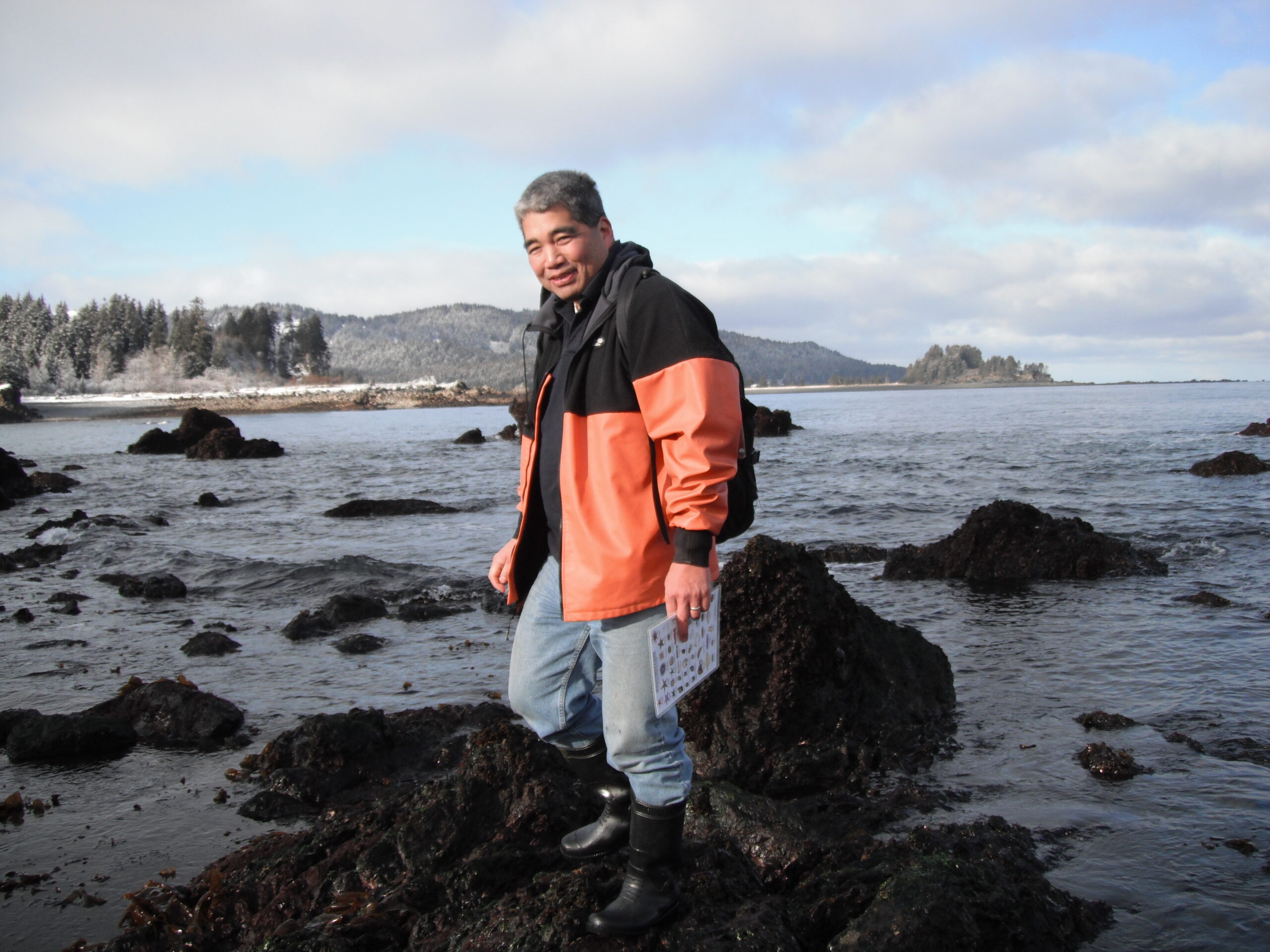
Dr. George Matsumoto’s journey reminds us of the power of passion and perseverance in pursuing a career that aligns with one’s values and interests. His work not only advances our understanding of the oceans but also inspires others to consider how they, too, can contribute to protecting our planet.
For more information on Dr. George Matsumoto, please visit https://www.mbari.org/person/george-i-matsumoto/